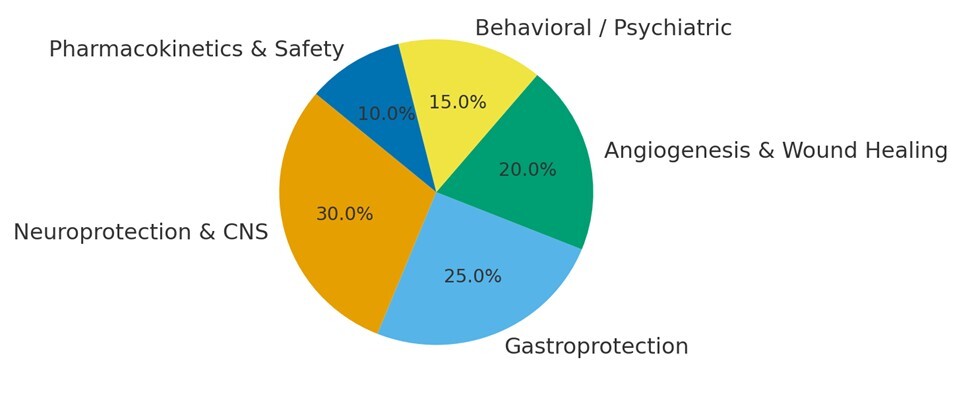
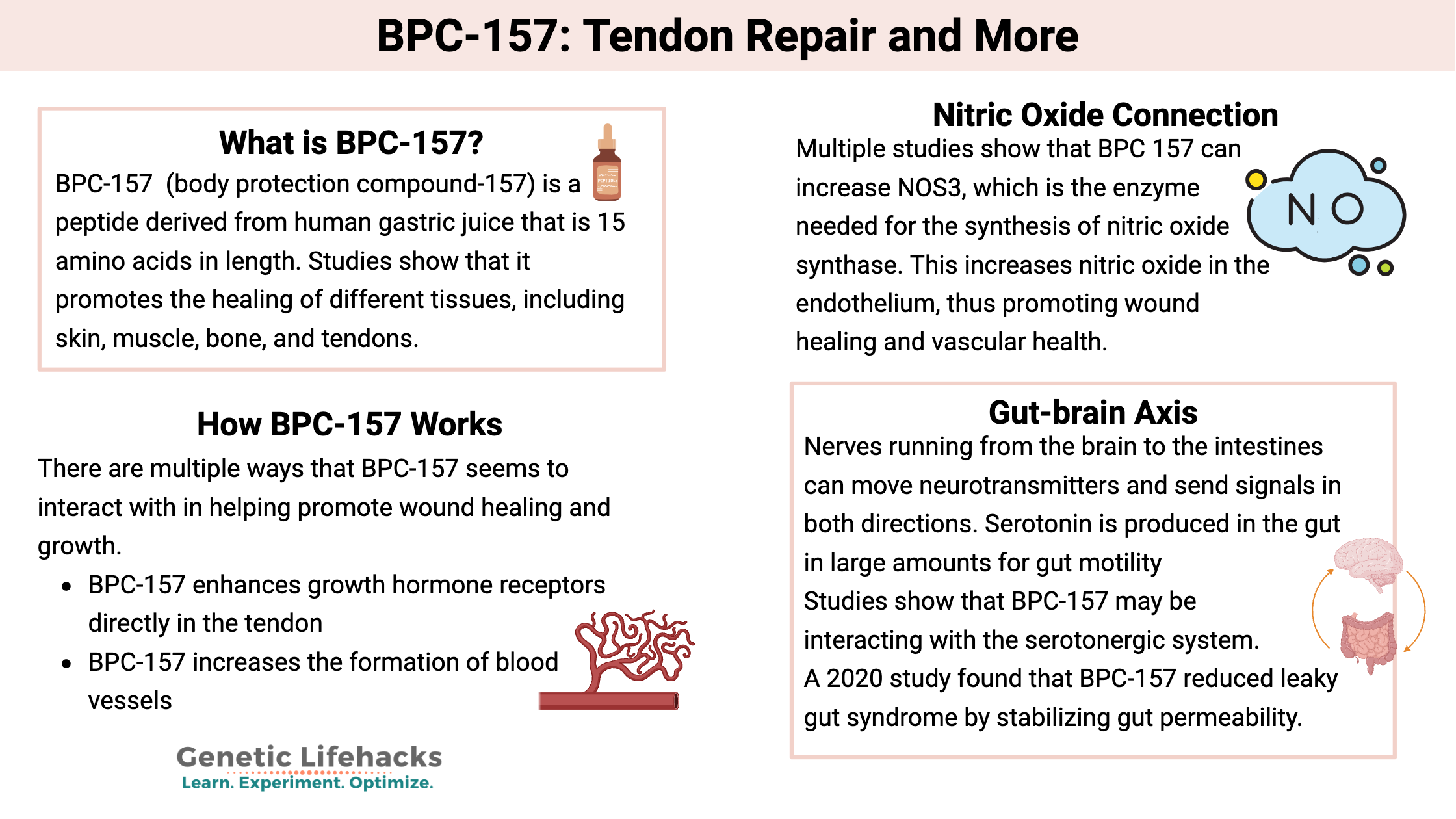
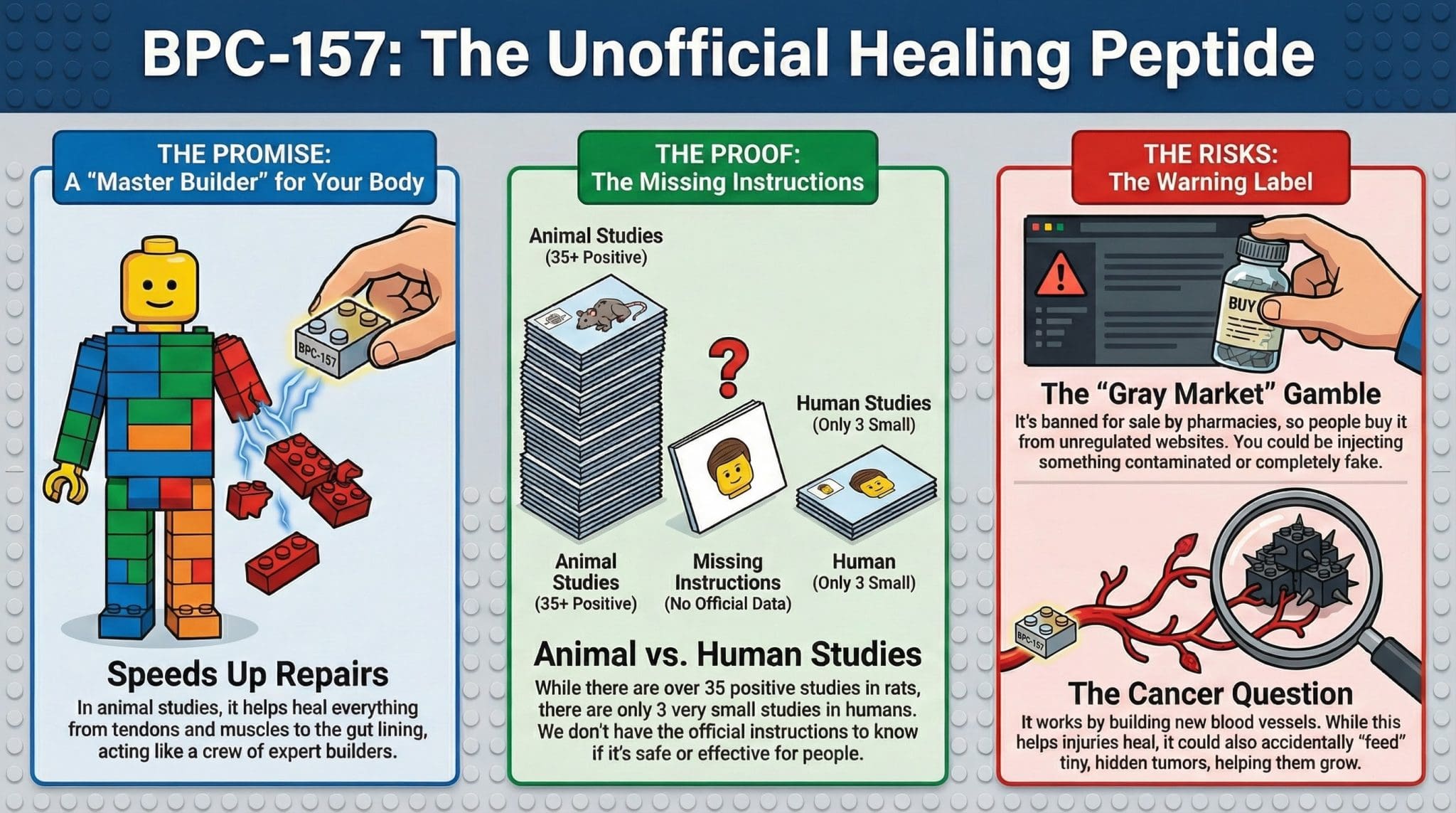
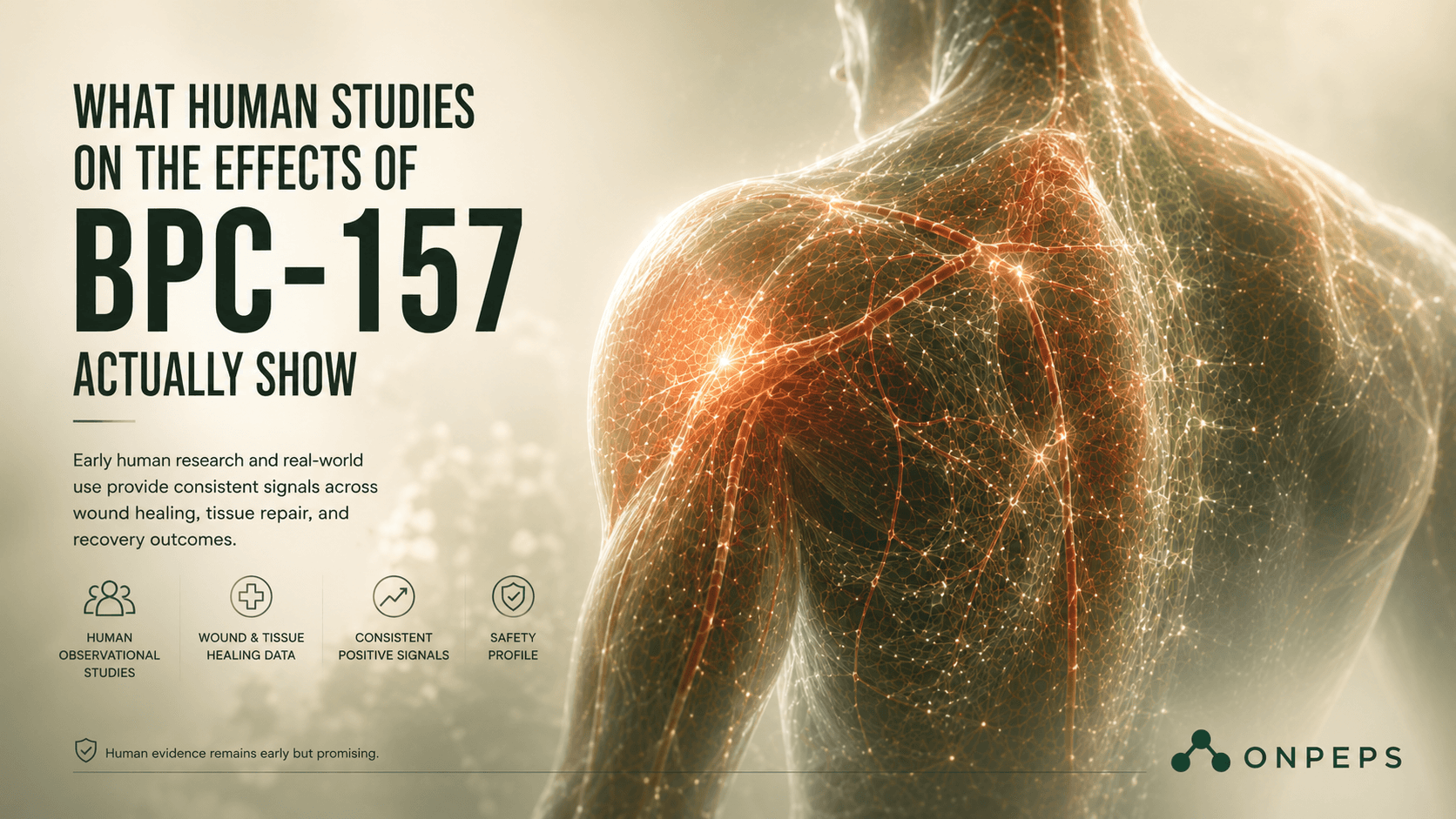
BPC-157 has been studied across many tissue types, including tendon, ligament, muscle, bone, skin, and the gut lining, as summarized in a research review of BPC-157 and wound healing across multiple tissue types
GHK-Cu is a naturally occurring copper-binding tripeptide that is widely studied within laboratory and scientific research
doi: 10.1016/j.biocel.2005.03.005 18 DriverB.MarksD
The 5 year survival of this group was 51%, where those with a Breslow thickness of less than 2.5 mm had a 5 year survival of 88% and those for which the thickness was 2.5 mm or greater, had a 44% 5 year survival rate [29]
Although ACSS2 was initially believed to function as a cytoplasmic enzyme responsible for butyrate activation [51], recent evidence has shown that it lacks the catalytic capacity to generate butyryl-CoA or crotonyl-CoA directly from butyrate or crotonate in vivo [52]