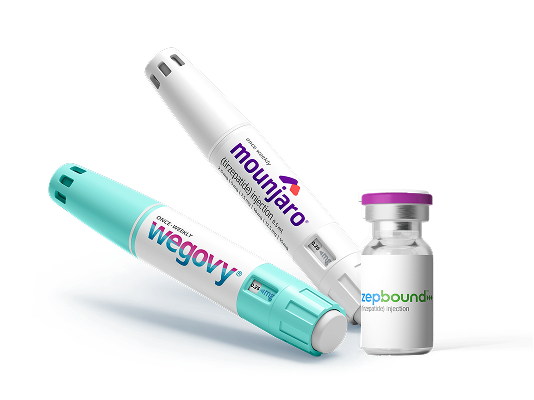
The global peptide therapeutics market was valued at nearly $50 billion in 2024, and its projected to reach up to around $84 billion by 2034.1 One of the most well-known peptides in recent years is semaglutide (Ozempic), a glucagon-like peptide-1 receptor agonist (GLP-1) used for the treatment of type 2 diabetes.2 However, semaglutide is just one of many different peptides that could potentially lead to health benefits
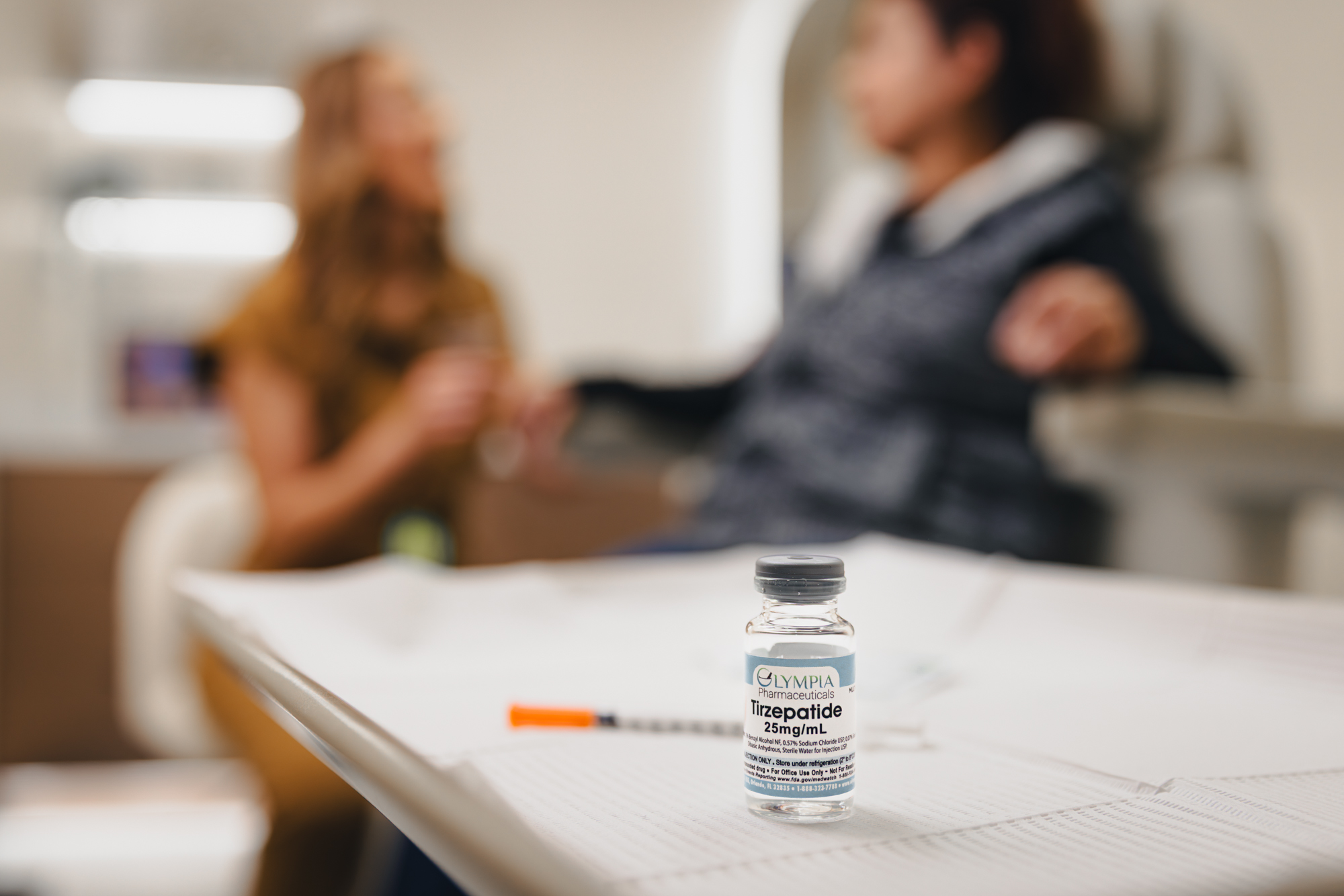
The 0.9% benzyl alcohol concentration inhibits microbial growth, allowing the vial to be used over multiple reconstitution sessions without contamination
This distinction is important: legitimate medical care is not the same as buying peptide products from internet sellers that are not pharmacies
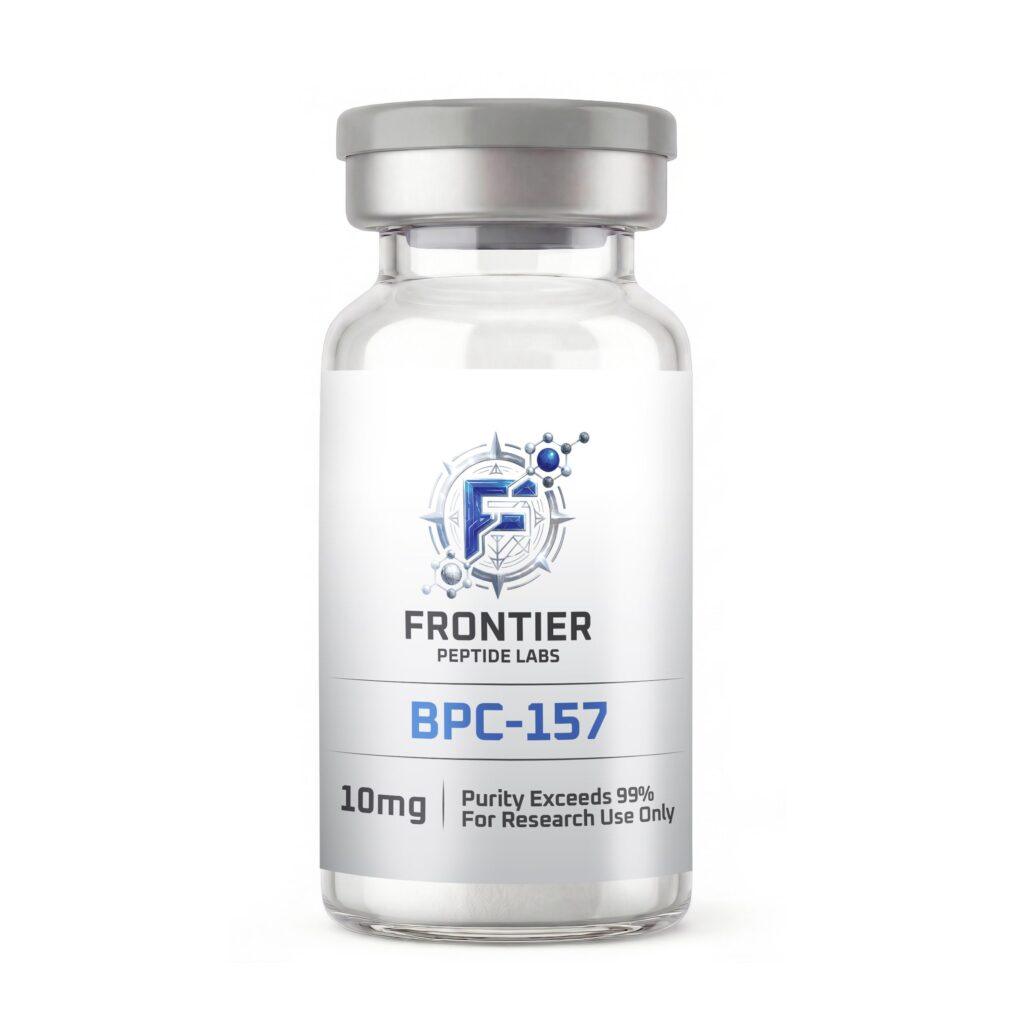
The peptides under consideration this week are: BPC-157, proposed for treating ulcerative colitis KPV for wound healing and inflammatory conditions TB-500 for wound healing MOTs-C for obesity and osteoporosis Emideltide for opioid withdrawal, chronic insomnia and narcolepsy Semax for certain neurological disorders Epitalon for insomnia The FDA advisory committee will be determining whether or not it will allow access to these substances through legitimate state-licensed compounding pharmacies, said Scott Brunner, chief executive officer of the Alliance for Pharmacy Compounding, who sent a public letter to the committee in support of adding peptides to the list
Canadian BPC-157 Supplier Comparison Table A short list of suppliers ranking for BPC-157 Canada in 2026, evaluated on documentation, purity, fulfillment, and labeling