Meanwhile, bottled water is facing growing scrutiny as its long-standing health halo begins to crack

Low-Dose Aspirin (75100 mg) - Antiplatelet effect - Used for cardiovascular protection: Prevents heart attacks and strokes Maintains stent patency Reduces clot risk in atrial fibrillation (non-valvular) - Often prescribed long-term in patients with high cardiovascular risk Intermediate Dose (300500 mg) - Analgesic and antipyretic - Used for: Headaches Fever Mild to moderate pain - Less commonly used today due to GI side effects and availability of alternatives High Dose (6001000 mg) - Anti-inflammatory effect - Used in: Rheumatic fever Acute pericarditis Musculoskeletal inflammation - Requires close monitoring due to increased risk of bleeding and gastric irritation Clinical Insight - Low dose = platelet inhibition - High dose = pain and inflammation control - Always consider patient age, bleeding risk, GI tolerance, and comorbidities when prescribing Your Voice Matters : How do you tailor aspirin dosing in your practice, and what strategies help balance efficacy with safety

However, actual kidney function measured by glomerular filtration rate (GFR) showed no statistically significant differences between creatine users and controls
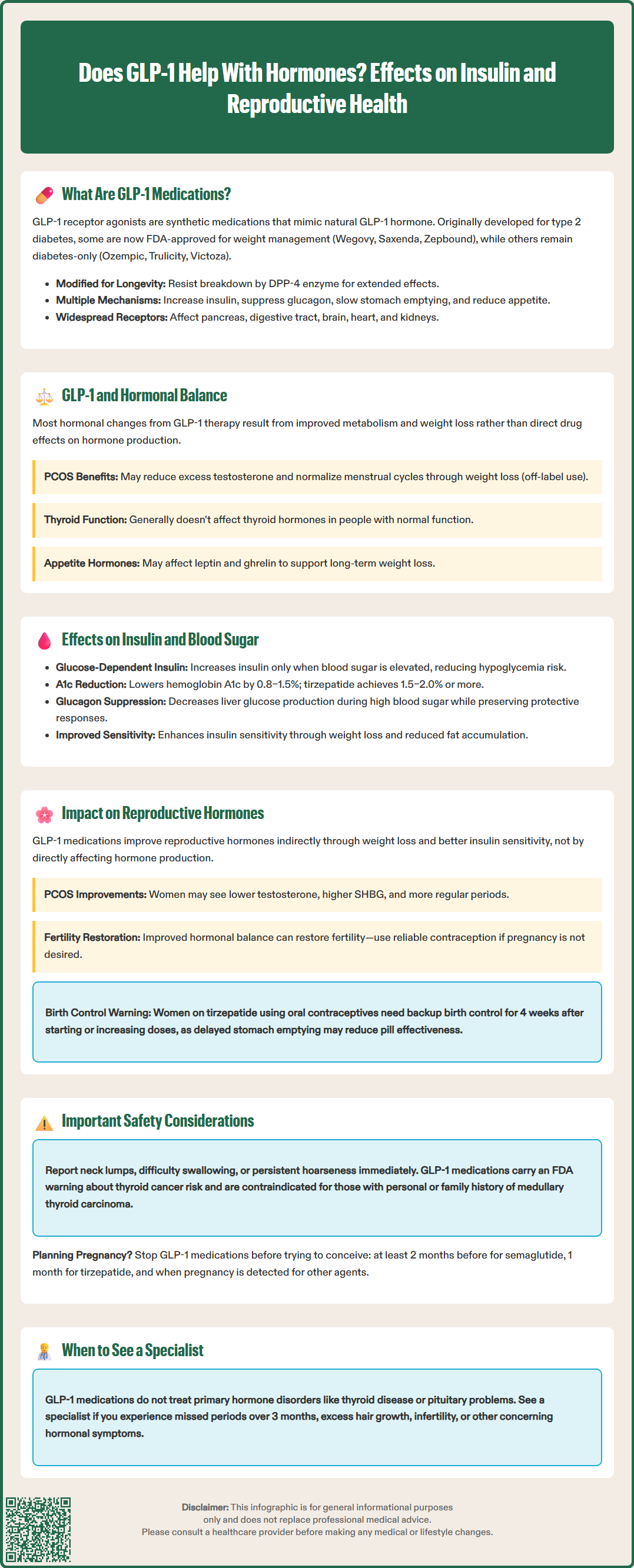
Clinical Implications Researchers called for the closer monitoring of patients taking GLP-1s , alongside greater public health awareness of the medications side effects
A specialist opinion may be required (cardiologist, endocrinologist) to secure the surgical procedure