According to British Society for Haematology (BSH) guidelines and NICE Clinical Knowledge Summaries (CKS), the primary beneficiaries include: Key patient groups who may require B12 injections include: Pernicious anaemia patients requiring lifelong hydroxocobalamin 1mg intramuscularly every 23 months following initial loading doses Patients with gastrointestinal disorders including those who have undergone gastrectomy or ileal resection, and patients with conditions affecting B12 absorption such as Crohn's disease or coeliac disease Strict vegans and vegetarians though oral supplementation is usually sufficient unless malabsorption is present Elderly patients who may have reduced gastric acid production affecting B12 absorption Patients taking certain medications including metformin (MHRA advises monitoring B12 levels in long-term users, particularly those with risk factors or symptoms), proton pump inhibitors, and H2-receptor antagonists long-term [6] Individuals with neurological symptoms such as paraesthesia, ataxia, or cognitive impairment related to B12 deficiency Pregnant women with confirmed deficiency (hydroxocobalamin for malabsorption
Do not leave them in direct light or a heat source
According to the Journal of Biomaterials Science , controlled studies on aged skin have shown that the tripeptide may reduce the appearance of fine lines and wrinkles
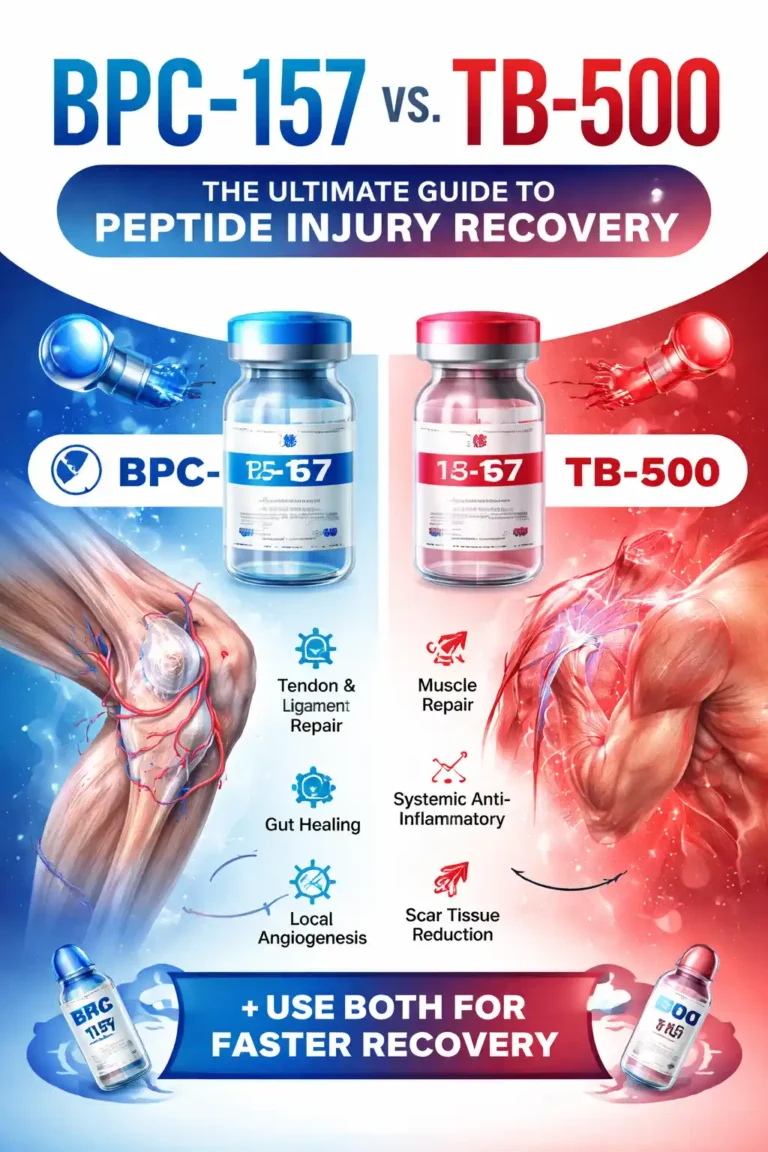
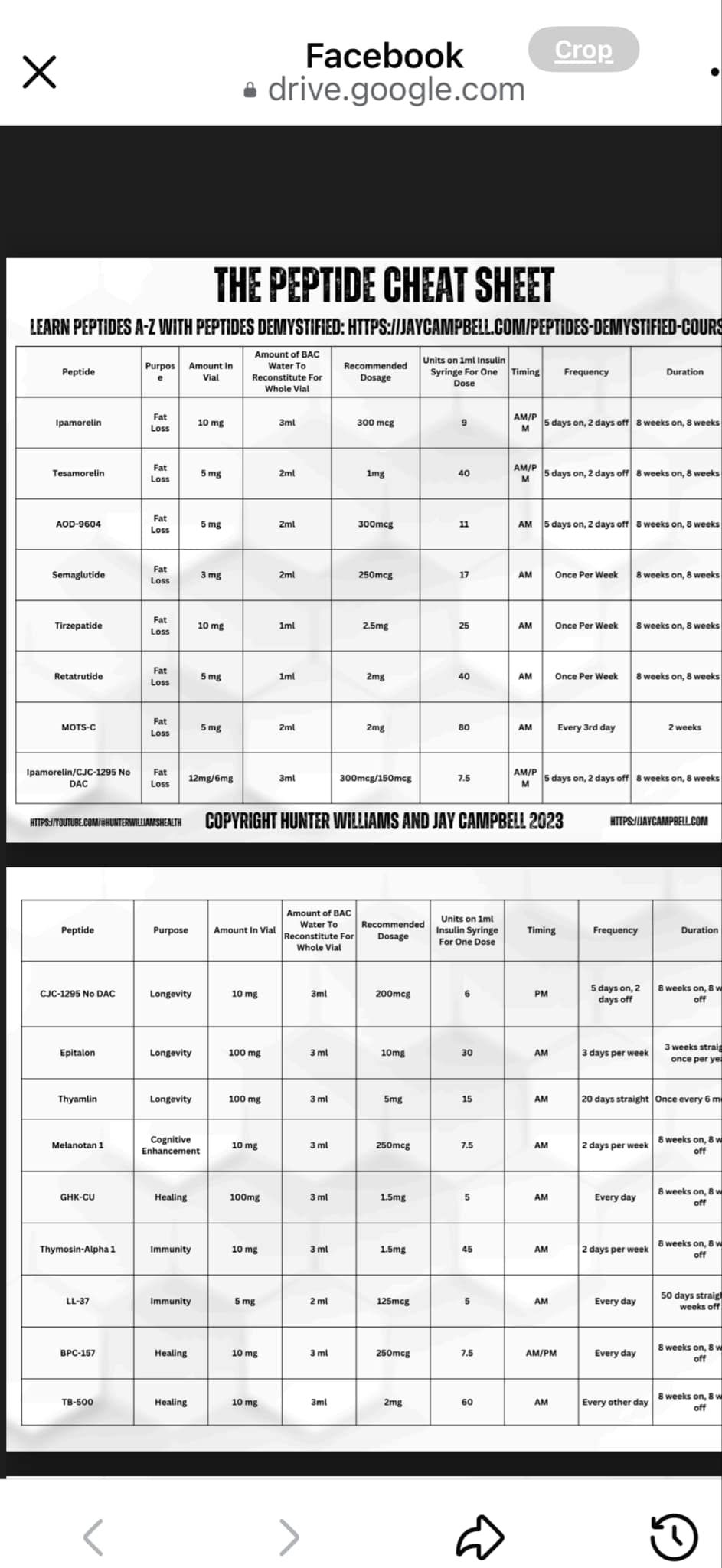
For injury healing (muscles, tendons, ligaments) Standard protocol: Dose: 250-500mcg twice daily (500mcg-1mg total daily) Method: Injectable SubQ near injury site Duration: 4-8 weeks minimum Timing: Morning and evening Severe injuries: Dose: 500mcg twice daily (1mg total daily) Method: Injectable SubQ Duration: 8-12 weeks Can extend if needed Mild injuries: Dose: 250mcg twice daily (500mcg total) Method: Injectable SubQ Duration: 4-6 weeks Use our BPC-157 dosage calculator and BPC-157 5mg dosing guide
Long-Term Storage Freezing: For storage exceeding several months, freeze peptides at -80C (-112F) to maximize stability