Sensitivity landmark analyses stratified by timeframe of semaglutide initiation Given that semaglutide was initially approved for type 2 diabetes, with initial obesity approval in 2021, it is possible that inclusion of non-diabetic patients could introduce indication bias in the previously described analyses, as non-diabetic patients enrolled before 2021 likely represent off-label use and may differ systematically from those treated after approval
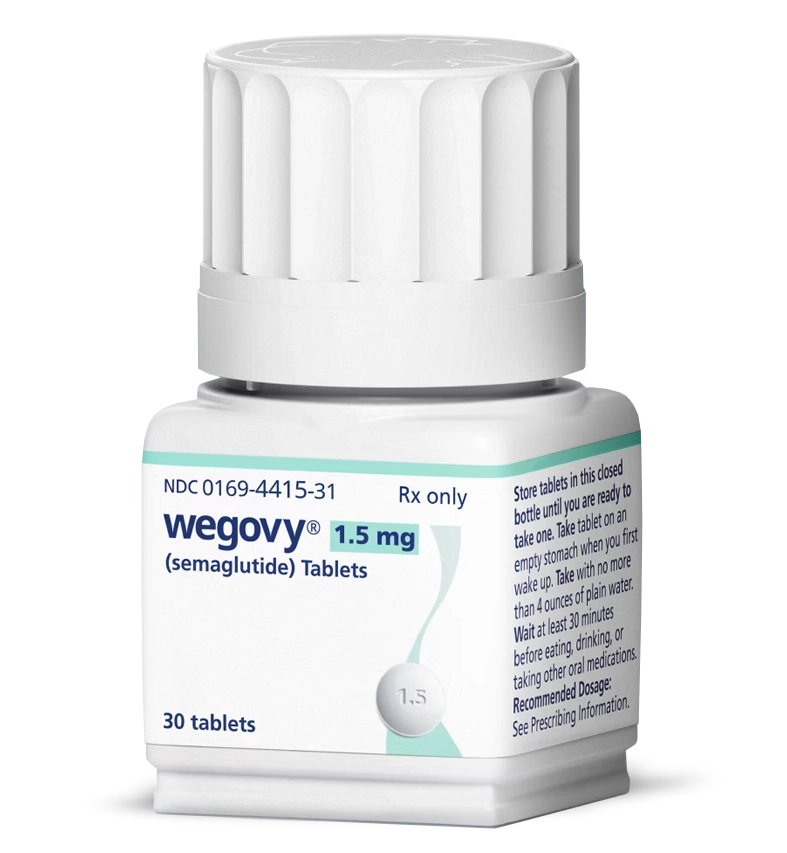
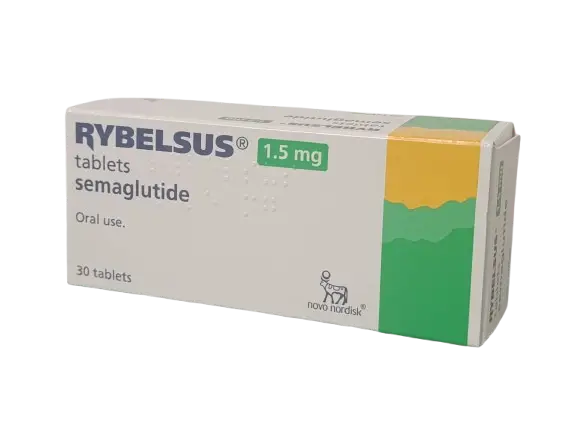
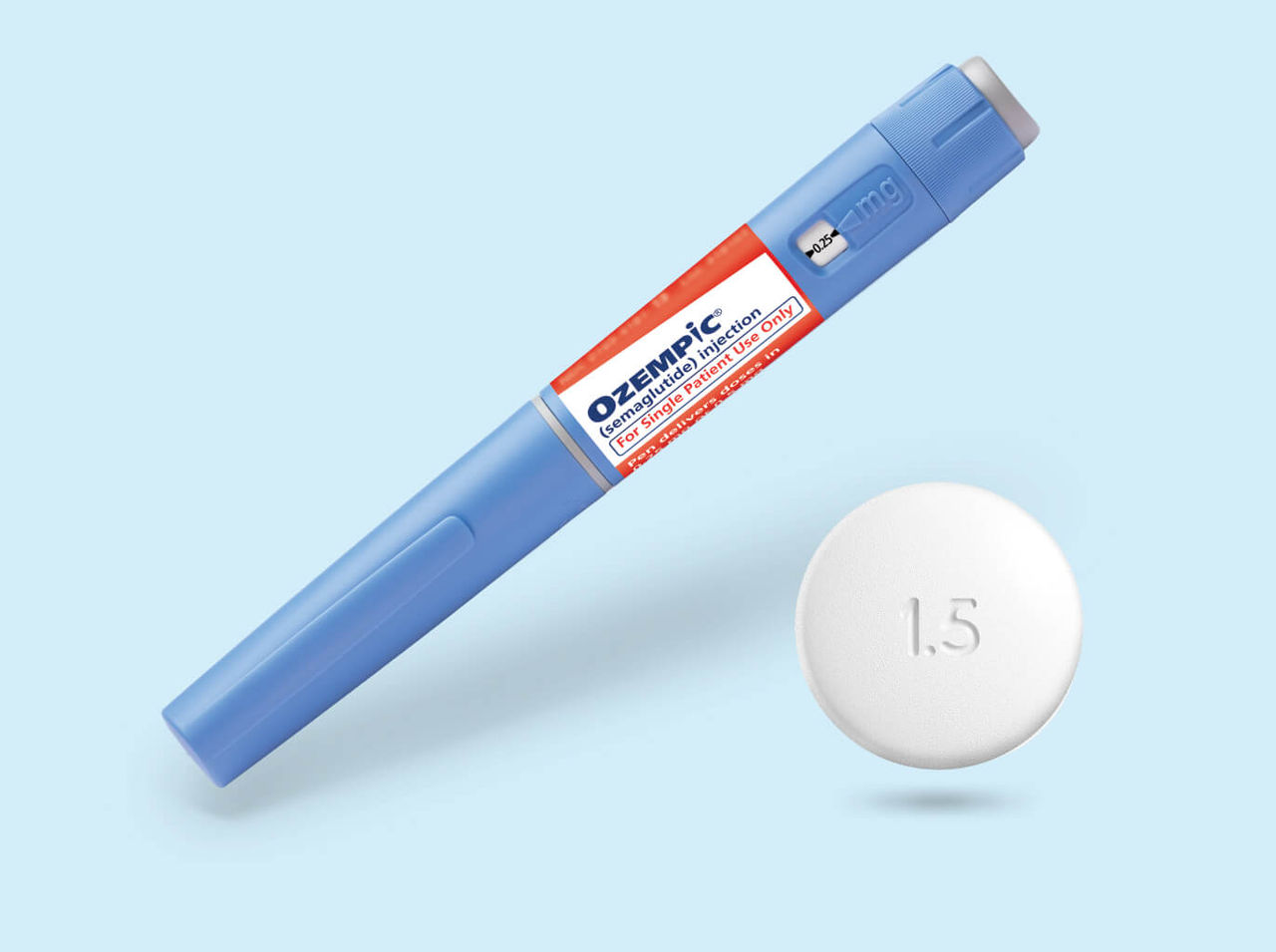
The treatment differences (diabetes treatment versus weight loss treatment) and other considerations such as patient preference are therefore the deciding factors when selecting which semaglutide formulation to use
Injecting too shallow (intradermal injection) The opposite problem of going too deep is not going deep enough
The most frequently reported side effects in clinical trials were gastrointestinal in nature, including nausea (occurring in up to 44% of patients taking Wegovy at the 2.4 mg dose), vomiting, diarrhea, abdominal pain, and constipation
These strategies can significantly reduce symptom burden and improve treatment tolerability without compromising the medication's efficacy