Immediate emergency care (call 911) is necessary if you experience: Signs of severe allergic reaction (anaphylaxis): difficulty breathing, severe swelling of face or throat, rapid heartbeat, severe dizziness, or widespread rash Symptoms suggesting pancreatitis: severe, persistent abdominal pain that may radiate to the back, often accompanied by nausea and vomiting Signs of thyroid tumor: new lump or swelling in the neck, hoarseness, difficulty swallowing, or shortness of breath Contact your healthcare provider within 24 hours for: Persistent injection site reactions lasting more than a few days, including significant redness, swelling, hardness, or pain Signs of infection at the injection site: increasing warmth, red streaking, pus, or fever Severe or persistent gastrointestinal symptoms (nausea, vomiting, diarrhea) that interfere with eating or hydration Symptoms of hypoglycemia (if taking semaglutide with insulin or sulfonylureas): excessive sweating, shakiness, confusion, rapid heartbeat, or extreme hunger Changes in vision or eye pain, especially if you have a history of diabetic retinopathy Symptoms of gallbladder problems: pain in the upper right abdomen, fever, yellowing of skin or eyes, clay-colored stools Unexplained rapid heartbeat or palpitations Signs of kidney problems: significant changes in urination, swelling in legs or feet, unusual fatigue Routine follow-up is appropriate for: Questions about proper injection technique or site rotation Mild, transient injection site reactions that resolve within a day General questions about medication storage or handling Difficulty with pen operation or concerns about dose delivery Your healthcare provider should monitor your response to semaglutide through regular follow-up appointments, typically including assessment of glycemic control (for diabetes treatment), weight changes, and potential adverse effects

Other FDA-approved GLP-1 receptor agonists (liraglutide, semaglutide) share the same boxed warning regarding thyroid C-cell tumors as tirzepatide
Warnings and precautions include severe gastrointestinal adverse reactions, acute kidney injury, acute gallbladder disease, acute pancreatitis, serious hypersensitivity reactions, increased risk of hypoglycemia with concomitant use of an insulin secretagogue or insulin, diabetic retinopathy complications in patients with type 2 diabetes, suicidal behavior and ideation, and pulmonary aspiration during general anesthesia or deep sedation
It results in sustained release through binding to serum albumin
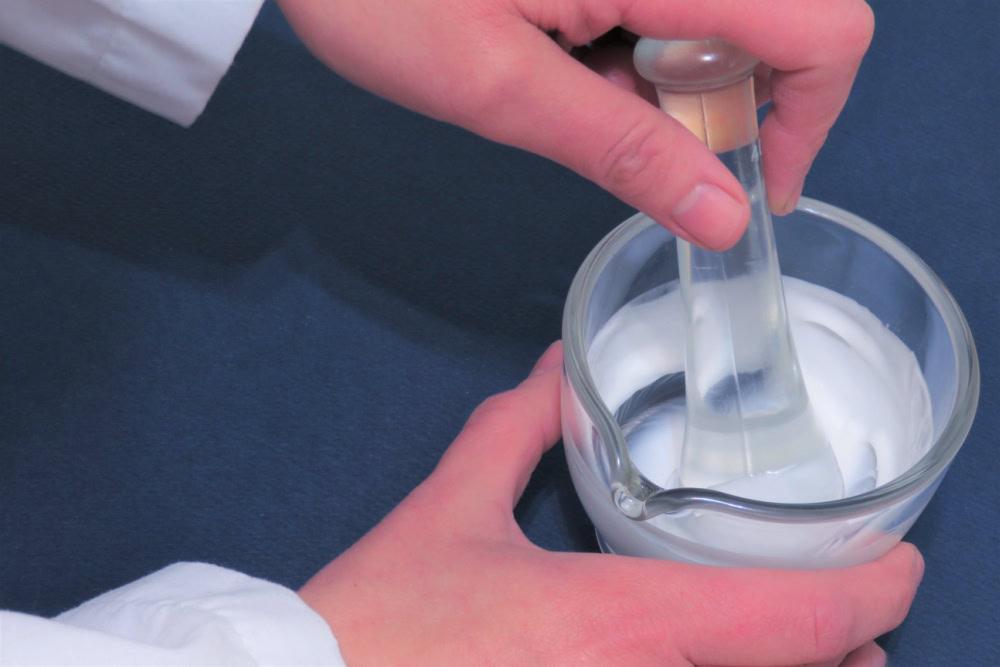
Our team has consistently found that proper reconstitution protocols lead to cleaner data and more reliable conclusions