You cant move that same prescription onto the Bridge
A new review from the Schmidt lab at Penn pulls the preclinical and emerging clinical evidence together
Fevers often raise blood sugar, while a lack of eating can lower it
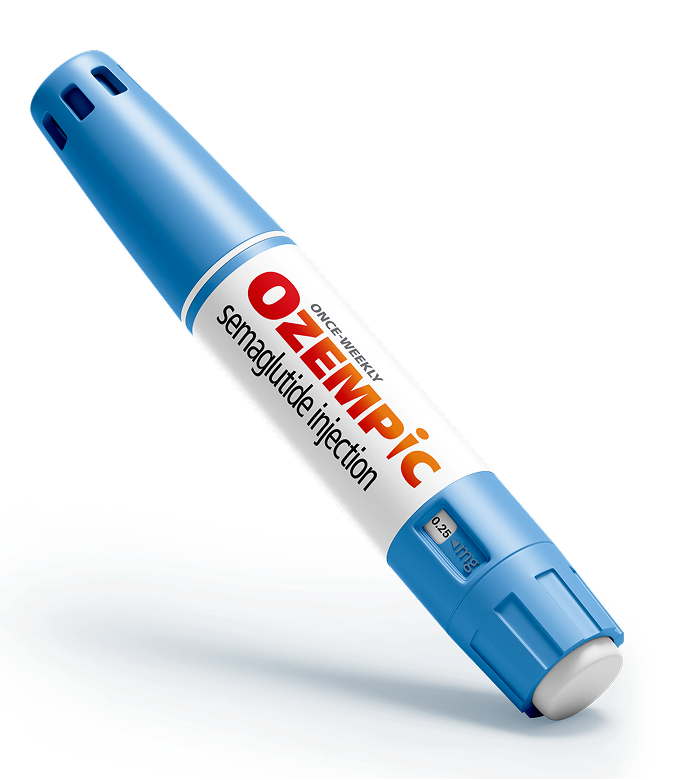
Small-scale studies in patients on hemodialysis show promising results with decreased risk of hypoglycemia, reduction in insulin dose requirement, and improved glycemic control with use of GLP1-RA 15,16

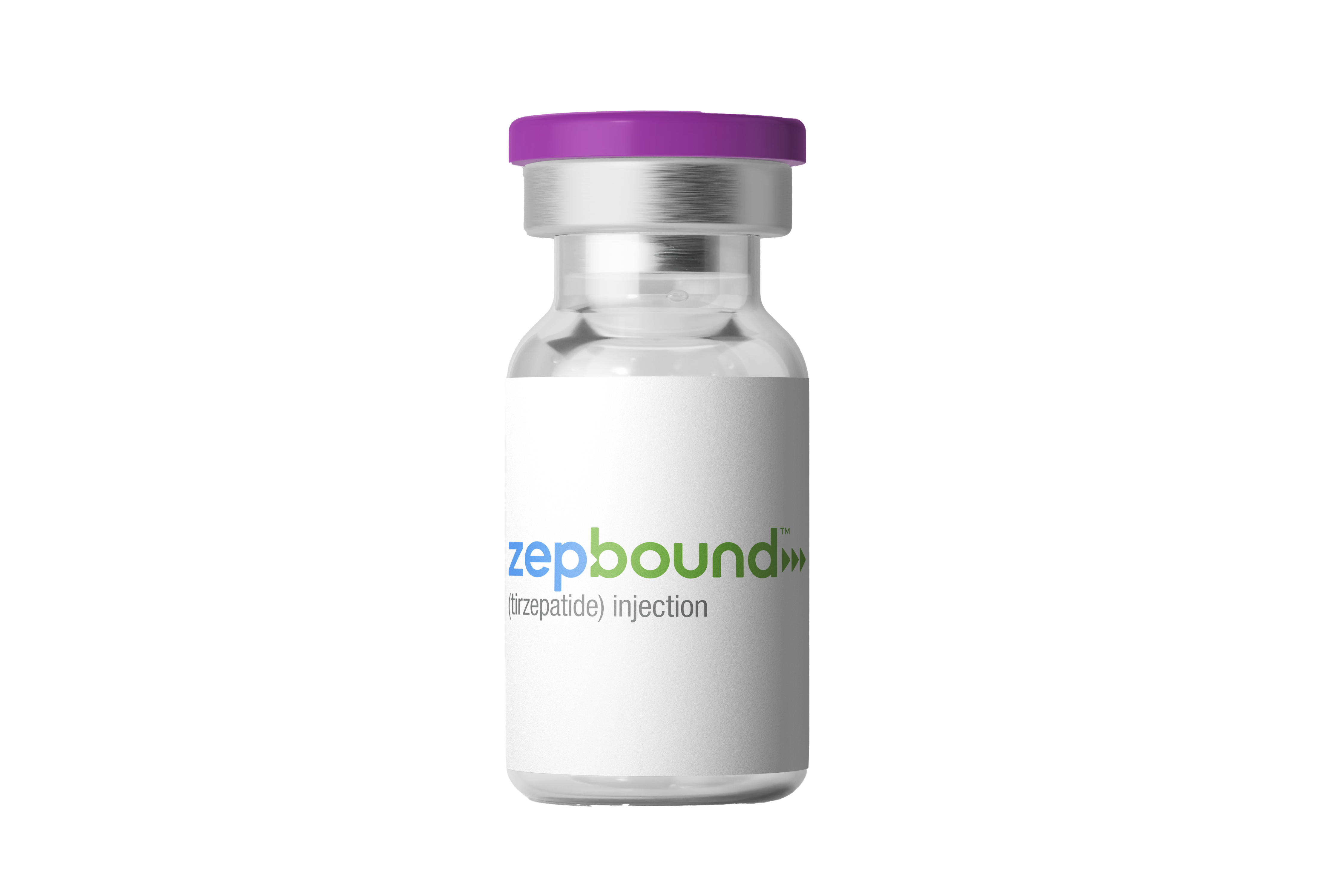
Key Takeaways: Tirzepatide Side Effects Most common side effects are gastrointestinal: nausea (40% to 45%), diarrhea (30% to 35%), constipation (20% to 25%) Side effects typically peak within days of dose increases, then improve over 2 to 3 weeks Tirzepatide causes slightly more GI side effects than semaglutide due to dual GLP-1/GIP action Starting at 2.5 mg and increasing gradually every 4 weeks minimizes side effect intensity Most effects are manageable with dietary adjustments, hydration, and timing strategies Serious side effects are rare but include pancreatitis, gallbladder issues, kidney problems Many people experience minimal side effects after the initial adjustment period Side effects improve significantly with each subsequent injection at the same dose Most Common Side Effects and Their Frequency Understanding what youre likely to encounter helps set realistic expectations and recognize that your experience is normal