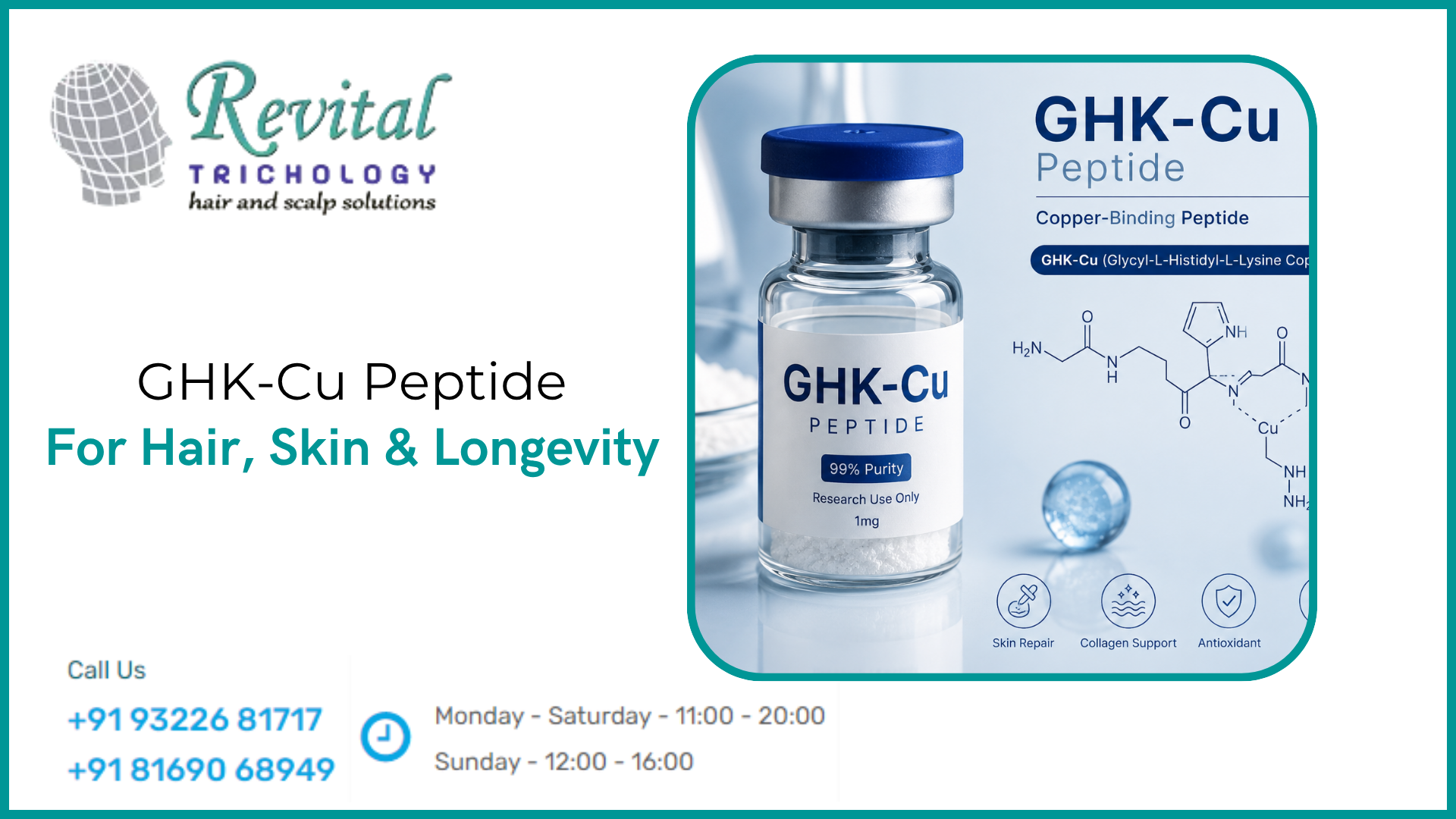
Improved skin tone and texture : Regular use of copper peptides improves skin tone and texture, resulting in a smoother, more even complexion
Kaushal D, Contos JJ, Treuner K, Yang AH, Kingsbury MA, Rehen SK, et al
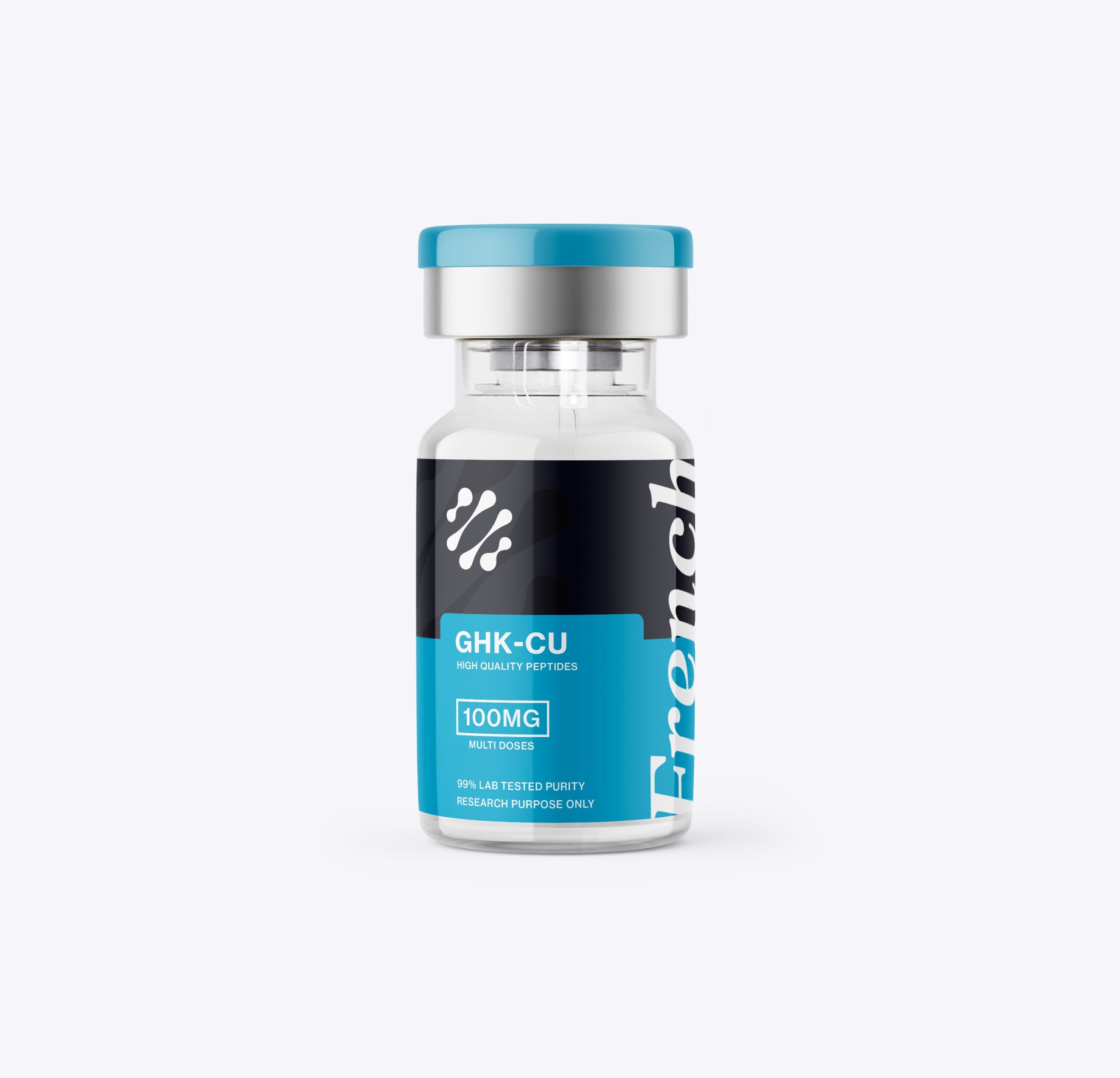
What to stack with it: GHK-Cu pairs well with: BPC-157 : Another peptide now removed from the FDA's Category 2 list, with strong tissue repair and anti-inflammatory properties Minoxidil : Some protocols use GHK-Cu and minoxidil together different mechanisms can be complementary Finasteride/dutasteride (DHT inhibitors) : If androgenetic alopecia is driven by DHT, adding a DHT blocker alongside GHK-Cu addresses both the hormonal driver and the follicular environment --- Who Should Consider GHK-Cu for Hair Loss GHK-Cu is worth considering if: Minoxidil hasn't delivered the results you expected or you're dealing with scalp irritation You want a hair treatment with broader anti-aging mechanisms rather than a single-target compound You're already using peptides for body composition, healing, or longevity and want to address hair loss within the same framework You prefer working with compounds your body already produces rather than synthetic molecules It's not a magic fix

Biodistribution of gold nanoparticles and gene expression changes in the liver and spleen after intravenous administration in rats
The question isn't just "Does epithalon work?" but rather "How much epithalon should I take, and when?" This comprehensive guide cuts through the confusion to provide clear, research-backed information about epithalon peptide dosage protocols that consumers can actually understand and apply